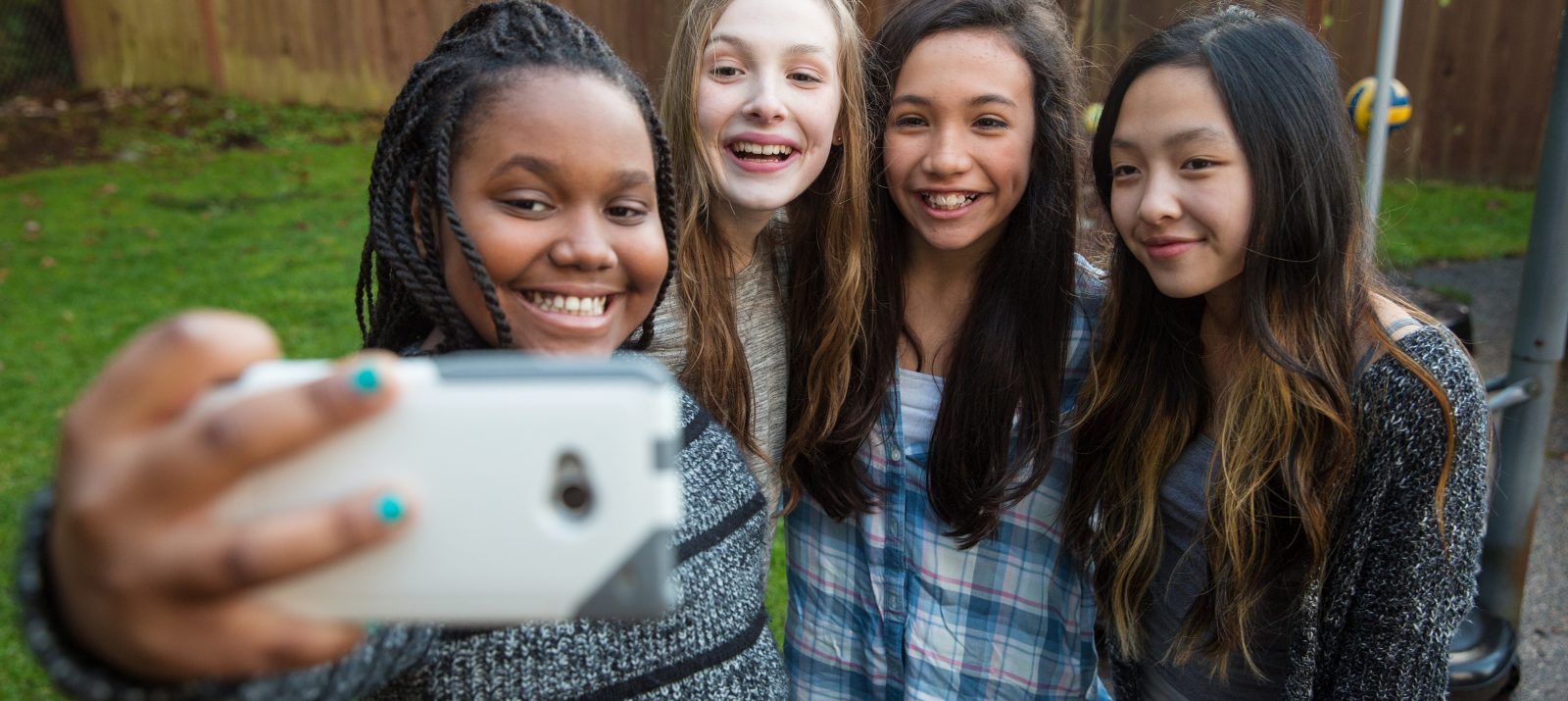
Whether fashion, music or language – the main thing is hip. It is particularly important for young people not to miss any trends. This is about recognition and a sense of belonging. Trends are made primarily digitally. Via sharing videos or photos on social media channels, they are set and imitated. Trends can also evolve into Challenges, such as the Wellerman Challenge in late 2020.
Trends on social media are certain things that are particularly trendy and are imitated by many. Trends can arise in different areas, for example in fashion or music.
TikTok is a major trendsetter. A large proportion of young people use the app and are part of the global community. There cooking trends are also extremely popular. In their short video clips, TikTokers show how creative dishes can be conjured up very quickly. In numerous videos with hashtags like #Bakedfetapasta or #wraphack , users show their versions of the dishes.
Makeup styles, life hacks or clothing items are also declared a trend. A particular pair of leggings is advertised on social media. Clips are uploaded for this purpose, in which mostly women wear these pants and receive compliments for them. As a result, more and more are buying the leggings to be part of the trend.
Unlike Challenges not only a certain song, a dance or a task is mastered, but very different things are imitated. In the case of Wellerman, however, trends can also become a challenge when other users are called upon to imitate the trend.
One trend on social media is quickly replaced by the next. Influencers are the trendsetters of the young generation and influence the market. Advertising deals with certain brands mean that some influencers’ recommendations are not independent. You receive money for representing a product particularly well. When brands manage to set a trend with the help of an influencer, as in the example with the leggings, they earn good money from it. Young people don’t necessarily see through the fact that a trend was specifically made by a brand.
Some trends – just like challenges – can have negative consequences. These can be trends where a lot of naked skin is shown, a dangerous thing is imitated or an attempt is made to conform to a certain ideal of beauty. For example, medical experts warn against a beauty trend in which young people have so-called sunburn tattoos burned into their skin with the help of sunscreen and far too much sunlight.
However, most trends are harmless and fun. Try to be understanding if your child has a desire to participate in trends. Perhaps remember your own youth and what trends you were eager to follow. It’s about belonging. Keep an open mind and let your child show you what excites them. Ask about the trends your child would like to participate in. If you have concerns, talk to your child about them and explain why. Some trends, such as DIY instructions, recipes or life hacks you can try together. Also certain challenges, are entertaining and can be mastered with the whole family.